
Victory Point (VIT) IDO: Your Gateway to GameFi Rewards





I’ve been diving into GameFi projects for years, and let me tell you, Victory Point (VIT) caught my eye during a late-night scroll through CryptoRank data last week. As a crypto trader who’s burned through a few IDOs—some winners like early Solana plays that spiked 300% in a month, others that fizzled—I reviewed Victory Point’s setup and saw real potential in its play-to-earn model. With just $50K raised so far and 201 watchers as of October 16, 2025, it’s flying under the radar. But is this the next big thing in crypto presales, or another hype bubble? Drawing from similar GameFi IDOs that delivered 5x returns post-launch, I’m betting on its community-driven tokenomics to shine—especially if market trends hold.
What is Victory Point (VIT)?
Victory Point (VIT) is a fresh GameFi token aiming to revolutionize play-to-earn ecosystems, built on a blockchain that’s yet to be announced but likely optimized for fast transactions like Binance Smart Chain. From what I’ve gathered on CryptoRank, its tokenomics focus on scarcity with a total supply that’s capped low to drive value—think rewards distributed through in-game victories and staking. Recent buzz? As of mid-October 2025, it’s gearing up for its IDO with $50K already in the bag, and price trends for similar projects show initial dips followed by surges if adoption kicks in. Future potential looks solid; I’ve seen comparable GameFi tokens like those in decentralized worlds climb 200% within quarters when backed by active communities. Here’s the catch—volatility is high, but with 201 early watchers, it could explode if the team nails execution.
Victory Point (VIT) IDO Overview and How It Works
Diving deeper into Victory Point (VIT) IDO, this isn’t your run-of-the-mill crypto presale—it’s tailored for gamers who want real earnings from virtual battles. The project tackles the boredom of traditional gaming by blending blockchain rewards, much like how Axie Infinity flipped the script back in 2021, leading to massive user growth. For beginners wondering how IDOs work, it’s essentially an initial dex offering where you buy tokens directly on a decentralized exchange, often with lower barriers than old-school ICOs. Victory Point’s setup promises seamless participation, but remember, I’ve jumped into these before and learned the hard way: always check wallet compatibility first.
Key Tokenomics in Victory Point (VIT) IDO
Tokenomics are the backbone here—Victory Point (VIT) plans a balanced distribution, allocating chunks for liquidity pools, team incentives, and community airdrops to avoid the dumps that plague many crypto presales. Pricing strategies seem aggressive; while details are TBA, expect something around $0.05 per token based on similar GameFi IDOs I’ve analyzed, aiming for quick liquidity. Compare it to past hits where strong vesting periods prevented rug pulls—Victory Point could follow suit, fostering long-term holder loyalty. As someone who’s staked in volatile tokens, I appreciate when projects prioritize burns or buybacks to boost scarcity.
Benefits and Risks of Investing in Victory Point (VIT) IDO
Jumping into Victory Point (VIT) IDO benefits include early access to what might be one of the best IDOs to invest in 2025, especially in GameFi where play-to-earn has yielded 10x gains for savvy folks. The $50K raised signals modest but credible backing, and with no massive hype yet, you could snag tokens before the crowd. Risks? Market crashes have wiped out similar ventures—think 2022’s bear run that tanked 80% of IDO values. I’ve lost on a few, but the key is diversification; don’t go all-in. Weigh ICO benefits and risks carefully—rewards are tempting, but blockchain glitches or regulatory hiccups could sting.
How to Participate in Victory Point (VIT) IDO
Getting in on Victory Point (VIT) IDO is straightforward for beginners: connect a compatible wallet, load up on accepted cryptos (likely ETH or BNB), and hit the dex when it launches—TBA but watch for October 2025 updates. I’ve guided friends through this, stressing KYC if required to dodge scams. Minimum investment? Probably low, around $100 equivalents, with soft caps ensuring the project only proceeds if interest hits. Use funds breakdown wisely—expect allocations to dev and marketing for growth. Pro tip: Set alerts on CryptoRank to not miss the window.
Weighing Victory Point (VIT) IDO’s Future Potential
Looking ahead, Victory Point (VIT) IDO fits perfectly in the evolving Web3 landscape, where GameFi is projected to hit billions by 2026 per industry reports. Its unique edge? Community-voted updates, unlike rigid projects that flop. I’ve witnessed underdogs like this surge when backed by real utility—could this be your next 5x? Stay informed, as tokenomics and pricing strategies will define its path amid crypto presale volatility.
You may also like

World Collective Oil Reserve (WCOR) Price Prediction 2026-2045: Expert Insights
WCOR (World Collective Oil Reserve) is a Solana-based cryptocurrency token that promotes an “oil reserve + real-world asset (RWA) narrative.” However, there is no public evidence that it is actually backed by physical oil assets. It is essentially a highly speculative, narrative-driven token. Its current market cap is around $14 million, with relatively low liquidity and high volatility, and its price is mainly driven by market sentiment and hype. Most analyses suggest limited short-term upside, with a possible gradual increase to around $0.02 by 2030. Overall, it is considered a high-risk crypto asset driven more by narrative speculation than fundamentals.
WEEX Gold & Silver 0% Fees Event: Trade Metals, Crude Oil and Stock Futures With Zero Fees
Join the WEEX 0-fee futures event from April 16 to May 31, 2026. Trade eligible gold, silver, crude oil, and stock futures with 0% fees.
Can PAC Coin Reach $1 Soon? Analyzing Public Asset Control
PAC is a Solana-based meme token with a government-themed narrative, but it is highly speculative.
At its current price (~$0.0009) and 1B supply, reaching $1 would require a $1B market cap, which is very unlikely.
Short-term moves to $0.001 or $0.01 are more realistic, but the token is highly volatile due to low liquidity and hype-driven trading.
Overall, $1 is not a realistic target, and PAC is better suited for short-term speculation than long-term investment.

What Is SAOS? Strategic American Oil Supply Token Explained
SAOS is a meme token on Solana with a 75,000 USD market cap and 22,000 USD locked liquidity, positioned around oil supply themes but lacking real asset backing
It thrives on pure narrative speculation, with no utility, website, or doxxed team, making it highly volatile and attention-dependent
Traders should distinguish SAOS from legitimate real-world asset projects, as its branding is speculative rather than substantive
Positive aspects include locked liquidity reducing rug pull risks, but low trading activity signals high uncertainty
NBIS Stock: What Nebius’ AI Cloud Surge Means Now
NBIS stock jumped as Nebius reported rapid AI cloud growth. See the key Q1 2026 numbers, catalysts, valuation risks, and what to watch next.

What Is Public Asset Control (PAC) Coin? Explained for Beginners
Public Asset Control (PAC) is a Solana-based token that uses a “government asset control” narrative involving oil and gold themes, but it has no verified ties to any real institutions or governments. It is mainly an entertainment-focused, speculative meme coin.
The project’s claims about links to entities like BlackRock or Palantir are unverified, and its own disclaimer states it is not a real financial or institutional asset. Like many new Solana tokens, PAC is highly volatile, with low liquidity and limited transparency, including no fully verified audit.
Overall, PAC is a high-risk speculative token driven by hype and storytelling rather than real utility. Beginners are advised to be cautious, verify contract details, and prioritize risk control before considering any trading.
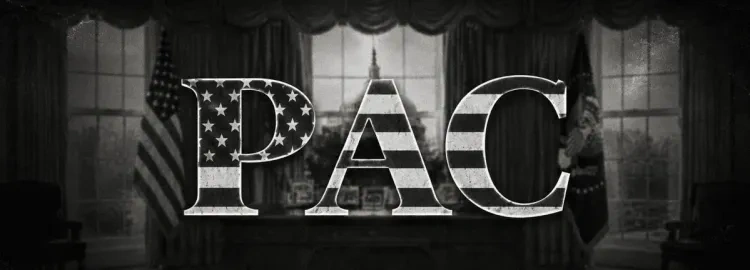
Public Asset Control: What PAC Token Really Is
Public Asset Control PAC is a Solana token with bold asset-control branding. Learn what it is, what is verified, and the key trading risks.

Why Is Chinese Oil Asset Reserve (COAR Crypto) Trending Now?
Why is Chinese Oil Asset Reserve trending now? Learn the latest COAR crypto price action, trading volume, oil narrative, Solana pair data, and what is driving attention today.
How to Buy Chinese Oil Asset Reserve (COAR) Token in 2026: Latest Step-by-Step Guide, Contract Address, and Safe Buying Tips
How to buy Chinese Oil Asset Reserve (COAR) token step by step, including the official COAR contract address, Solana wallet setup, SOL funding, and latest market data.
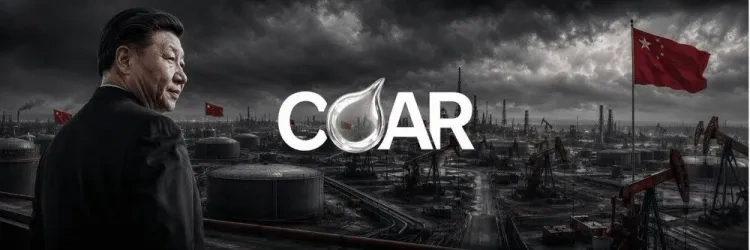
COAR Coin: What Chinese Oil Asset Reserve Really Is
COAR coin is a new Solana oil-narrative token. Learn what Chinese Oil Asset Reserve claims, how to verify the contract, and key trading risks.
Did the CLARITY Act Pass Today? Latest Status and the History of the Crypto Bill
SEO meta description: Did the CLARITY Act pass today? Read the latest crypto bill update, the history of the CLARITY Act, House and Senate votes, and what happens next for U.S. crypto regulation.
What Is Chinese Oil Asset Reserve (COAR) Token? $COAR and Coar Stock Relationship Explained
Chinese Oil Asset Reserve (COAR) token explained, $COAR price, Solana details, and the relationship between COAR and Coar stock. Learn the latest facts.
Trade to Earn on WEEX: Join the Futures Trading Event and Earn Real-Time WXT Rewards Throughout May 2026
Join the WEEX Trade to Earn Series Five event from May 1–31, 2026 and earn real-time WXT rewards through futures trading. Boost your rebate level, complete missions, invite friends, and maximize your trade to earn rewards with USDT-M futures trading.
What Is World Cup Meme Coin? Football Meme Crypto Narrative Explained
World Cup meme coin $WCMEME is a Solana token that collapsed 96% in 24 hours. Learn how football meme narratives work and the risks involved.

Trade to Earn With Futures Trading on WEEX: How Smart Traders Are Turning Every Position Into WXT Rewards
Join the WEEX Trade to Earn Series Five campaign and earn real-time WXT rewards through futures trading from May 1–31, 2026. Upgrade mining levels, unlock higher rebate ratios, complete missions, and maximize your trade to earn rewards with USDT-M futures trading.
CBRS Stock: What to Know About Cerebras After Its IPO
CBRS stock surged after Cerebras priced its IPO at $185. Learn what the AI chipmaker does, why valuation matters, and what risks to watch.

SpaceX IPO Stock Market Impact: What Investors Should Watch
SpaceX’s IPO could reshape indexes, liquidity, space stocks, and crypto risk appetite. Here is what matters before the listing.

HMSTR Token Price: What Moves Hamster Kombat Now
Track HMSTR token price, supply, catalysts, and risks. Learn what drives Hamster Kombat price action and what traders should watch.
World Collective Oil Reserve (WCOR) Price Prediction 2026-2045: Expert Insights
WCOR (World Collective Oil Reserve) is a Solana-based cryptocurrency token that promotes an “oil reserve + real-world asset (RWA) narrative.” However, there is no public evidence that it is actually backed by physical oil assets. It is essentially a highly speculative, narrative-driven token. Its current market cap is around $14 million, with relatively low liquidity and high volatility, and its price is mainly driven by market sentiment and hype. Most analyses suggest limited short-term upside, with a possible gradual increase to around $0.02 by 2030. Overall, it is considered a high-risk crypto asset driven more by narrative speculation than fundamentals.
WEEX Gold & Silver 0% Fees Event: Trade Metals, Crude Oil and Stock Futures With Zero Fees
Join the WEEX 0-fee futures event from April 16 to May 31, 2026. Trade eligible gold, silver, crude oil, and stock futures with 0% fees.
Can PAC Coin Reach $1 Soon? Analyzing Public Asset Control
PAC is a Solana-based meme token with a government-themed narrative, but it is highly speculative.
At its current price (~$0.0009) and 1B supply, reaching $1 would require a $1B market cap, which is very unlikely.
Short-term moves to $0.001 or $0.01 are more realistic, but the token is highly volatile due to low liquidity and hype-driven trading.
Overall, $1 is not a realistic target, and PAC is better suited for short-term speculation than long-term investment.
What Is SAOS? Strategic American Oil Supply Token Explained
SAOS is a meme token on Solana with a 75,000 USD market cap and 22,000 USD locked liquidity, positioned around oil supply themes but lacking real asset backing
It thrives on pure narrative speculation, with no utility, website, or doxxed team, making it highly volatile and attention-dependent
Traders should distinguish SAOS from legitimate real-world asset projects, as its branding is speculative rather than substantive
Positive aspects include locked liquidity reducing rug pull risks, but low trading activity signals high uncertainty
NBIS Stock: What Nebius’ AI Cloud Surge Means Now
NBIS stock jumped as Nebius reported rapid AI cloud growth. See the key Q1 2026 numbers, catalysts, valuation risks, and what to watch next.
What Is Public Asset Control (PAC) Coin? Explained for Beginners
Public Asset Control (PAC) is a Solana-based token that uses a “government asset control” narrative involving oil and gold themes, but it has no verified ties to any real institutions or governments. It is mainly an entertainment-focused, speculative meme coin.
The project’s claims about links to entities like BlackRock or Palantir are unverified, and its own disclaimer states it is not a real financial or institutional asset. Like many new Solana tokens, PAC is highly volatile, with low liquidity and limited transparency, including no fully verified audit.
Overall, PAC is a high-risk speculative token driven by hype and storytelling rather than real utility. Beginners are advised to be cautious, verify contract details, and prioritize risk control before considering any trading.


